
Table of Contents
ToggleBackyard entertaining has become a favorite way for homeowners to gather with friends, family, and neighbors. The concept is simple: hosting social events in an outdoor space at home. From casual barbecues to elegant dinner parties under the stars, backyard entertaining offers flexibility, comfort, and a relaxed atmosphere that indoor venues often can’t match. This guide covers everything hosts need to know about creating memorable outdoor gatherings, including essential elements, popular event types, and practical tips for success.
Key Takeaways
- Backyard entertaining involves hosting social events in outdoor spaces like patios, decks, and gardens for a relaxed, comfortable atmosphere.
- Essential elements for successful outdoor gatherings include flexible seating, proper lighting, food stations, and weather backup plans.
- Popular backyard entertaining events range from casual barbecues and pool parties to formal dinner parties and outdoor movie nights.
- Hosts can save money by entertaining at home, eliminating venue fees while maintaining full control over food, drinks, and timing.
- Planning at least two weeks ahead, keeping menus simple, and testing equipment early ensures a stress-free hosting experience.
- Creating multiple comfort zones with shade options, quiet areas, and active game spaces keeps all guests happy throughout the event.
Defining Backyard Entertaining
Backyard entertaining refers to hosting guests in an outdoor residential space for social purposes. This includes patios, decks, gardens, lawns, and pool areas. The goal is to create an enjoyable environment where people can relax, eat, drink, and connect.
Unlike formal indoor events, backyard entertaining typically feels more casual. Guests often move freely between spaces, conversations flow naturally, and the atmosphere stays laid-back. That said, backyard entertaining can range from a simple pizza night with neighbors to an elaborate wedding reception for 100 guests.
The appeal of backyard entertaining lies in its accessibility. Homeowners don’t need to rent a venue, coordinate with outside staff, or worry about strict time limits. The backyard serves as a private, customizable space that hosts can arrange but they like. Fresh air, natural light, and garden views add ambiance that’s hard to replicate indoors.
Backyard entertaining also saves money. Venue rental fees disappear, and hosts control the food and drink budget directly. Many people find that hosting at home feels more personal and welcoming than meeting at a restaurant or event hall.
Essential Elements of a Great Outdoor Gathering
Successful backyard entertaining requires attention to several key elements. These components work together to create a comfortable, functional, and enjoyable experience for guests.
Seating and Layout
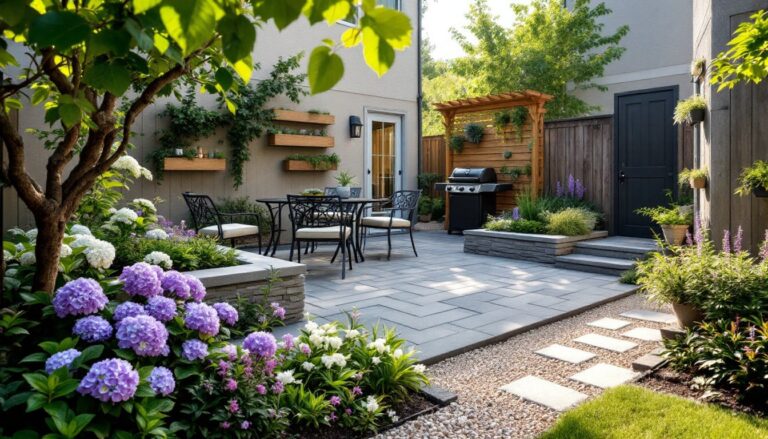
Guests need places to sit, eat, and socialize. A mix of seating options works well, dining chairs around a table, lounge chairs for casual conversation, and blankets on the lawn for a relaxed vibe. The layout should encourage movement and interaction while keeping high-traffic areas clear.
Lighting
Outdoor lighting transforms a backyard after sunset. String lights, lanterns, candles, and pathway lights add warmth and visibility. Good lighting extends the party into the evening hours and creates an inviting atmosphere.
Food and Drink Stations
A dedicated area for food and beverages keeps things organized. Grills, coolers, drink dispensers, and serving tables should be positioned for easy access. Shade covers or umbrellas protect food from sun and heat.
Weather Considerations
Backyard entertaining depends on weather conditions. Hosts should check forecasts and have backup plans ready. Pop-up tents, patio umbrellas, fans, and heaters help manage temperature and provide protection from rain or strong sun.
Entertainment Options
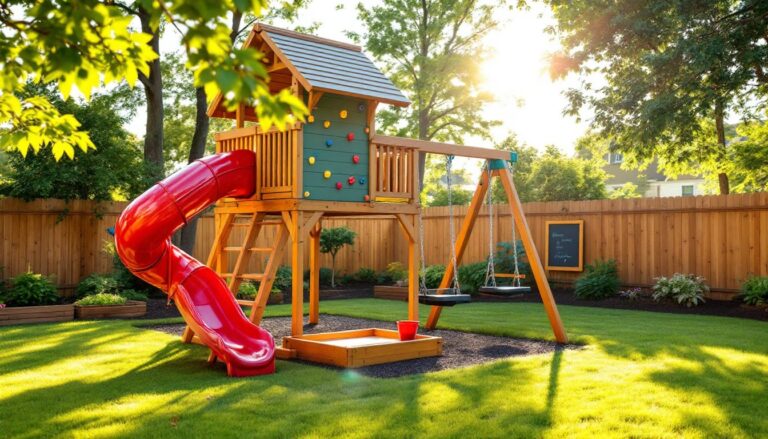
Music, games, and activities keep guests engaged. A portable speaker, lawn games like cornhole or bocce ball, and a fire pit for evening gatherings all add to the experience. For events with children, separate play areas work well.
Cleanliness and Restrooms
A tidy backyard makes a strong impression. Mowing the lawn, clearing clutter, and setting up trash and recycling bins matter. For larger gatherings, hosts may need to consider restroom access, either indoor facilities or portable options.
Popular Types of Backyard Events
Backyard entertaining covers a wide range of event types. Each brings its own style, scale, and requirements.
Barbecues and Cookouts
The classic backyard event. Grilling burgers, hot dogs, ribs, or vegetables while guests mingle defines American summer culture. These gatherings typically feature casual dress, cold drinks, and outdoor games.
Dinner Parties
More formal than a barbecue, backyard dinner parties involve a set menu, arranged seating, and planned courses. Hosts often set up a long table with linens, flowers, and candles for an elegant touch.
Birthday Parties
Backyard entertaining suits birthday celebrations for all ages. Kids’ parties might include bounce houses, piñatas, and cake. Adult birthdays could feature cocktails, a DJ, and dancing under string lights.
Holiday Gatherings
Fourth of July, Memorial Day, and Labor Day are prime times for backyard entertaining. These events often combine food, patriotic decorations, and outdoor activities. Even fall and winter holidays can work outdoors with proper heating.
Graduation and Milestone Celebrations
Graduations, engagements, and anniversaries translate well to backyard settings. These events often draw larger crowds and benefit from tents, catering, and photo areas.
Movie Nights
Outdoor movie screenings have grown popular. A projector, a white screen or blank wall, blankets, and popcorn create a unique backyard entertaining experience.
Pool Parties
Homeowners with pools can host swimming-focused events. These require extra safety attention, especially when children attend.
Tips for Successful Backyard Hosting
Great backyard entertaining comes down to preparation and attention to guest comfort. These tips help hosts create events that guests remember fondly.
Plan Ahead
Start planning at least two weeks before the event. Create guest lists, send invitations, plan menus, and make shopping lists. Last-minute scrambling leads to stress and forgotten details.
Keep the Menu Simple
Hosts don’t need gourmet meals to impress. Simple, well-prepared food often works better than complicated dishes. Finger foods, grilled items, and self-serve stations reduce kitchen time and let hosts enjoy the party.
Prepare for Bugs
Outdoor events mean dealing with insects. Citronella candles, bug spray stations, and covered food help minimize the nuisance. Avoid leaving sweet drinks uncovered.
Create Comfortable Zones
Not every guest wants the same experience. Quiet conversation areas, active game zones, and spots near the food satisfy different preferences. Shade and sun options accommodate varying comfort levels.
Stock Up on Essentials
Ice, cups, napkins, sunscreen, and first-aid supplies run out fast at outdoor events. Buy more than expected. Having extras prevents mid-party trips to the store.
Test Equipment Early
Check grills, speakers, lights, and other equipment days before the event. Discovering a dead propane tank or broken speaker right before guests arrive creates unnecessary stress.
Communicate Clearly
Let guests know the dress code, parking situation, and what to bring. Clear communication prevents confusion and helps everyone prepare appropriately.