
Table of Contents
ToggleBackyard entertaining vs indoor entertaining, it’s a decision every host faces before throwing a party or gathering. Both options offer distinct advantages, and the right choice depends on your guest list, event type, and personal preferences. Some hosts love the open-air feel of an outdoor celebration. Others prefer the controlled environment of an indoor space. This guide breaks down the key differences between backyard and indoor entertaining. It covers the pros and cons of each approach and helps readers determine which option suits their next event best.
Key Takeaways
- Backyard entertaining offers more space and natural ambiance, while indoor entertaining provides climate control and year-round reliability.
- Guest count is the most important factor when choosing between backyard entertaining vs indoor options—groups under 15 fit well indoors, while 20+ guests benefit from outdoor space.
- Weather remains the biggest challenge for backyard entertaining, so always prepare an indoor backup plan for outdoor events.
- Casual events like barbecues and pool parties suit backyard spaces, while formal dinners and holiday gatherings feel more appropriate indoors.
- Consider combining both options by starting outdoors for appetizers and moving inside for dinner to get the best of each setting.
Key Differences Between Backyard and Indoor Entertaining
Understanding the core differences between backyard entertaining and indoor entertaining helps hosts plan more effectively. These two approaches differ in several important ways, from available space to weather concerns.
Space and Guest Capacity Considerations
Backyard entertaining typically offers more square footage than indoor spaces. A standard backyard can accommodate 20 to 50 guests comfortably, depending on the property size. Indoor rooms limit guest capacity based on room dimensions, furniture placement, and fire codes.
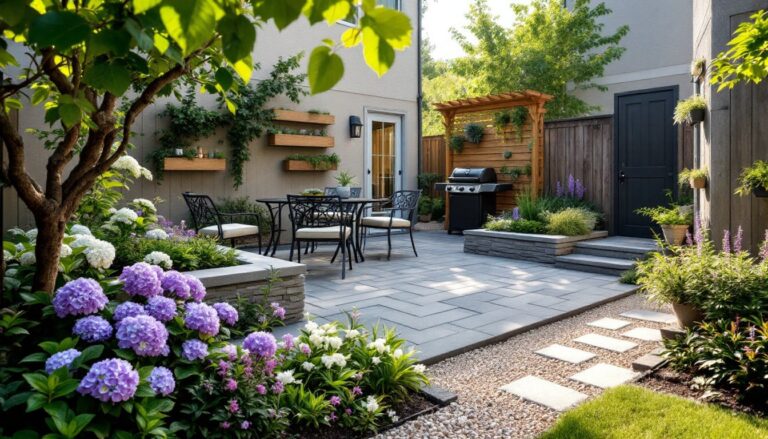
Outdoor spaces allow guests to spread out naturally. People can mingle in different zones, near the grill, around a fire pit, or at seating areas. This flow reduces crowding and creates a relaxed atmosphere.
Indoor entertaining works better for smaller gatherings. A living room or dining area feels cozy with 8 to 15 guests. Larger indoor events require venue rentals or homes with open floor plans.
Hosts should count their expected guests before choosing between backyard entertaining vs indoor options. Overcrowding an indoor space creates discomfort, while too few guests in a large backyard can feel awkward.
Weather and Seasonal Factors
Weather plays the biggest role in backyard entertaining success. Rain, extreme heat, cold temperatures, or high winds can ruin an outdoor event. Hosts must monitor forecasts closely and have backup plans ready.
Summer and early fall provide the best conditions for backyard entertaining in most regions. Spring events work well but carry higher rain risks. Winter outdoor gatherings require heaters, fire pits, and warm beverage stations.
Indoor entertaining removes weather concerns entirely. Guests stay comfortable regardless of conditions outside. This predictability makes indoor events easier to plan and execute.
Seasonal allergies affect some guests during outdoor events. Pollen counts peak in spring and early summer, causing discomfort for allergy sufferers. Indoor spaces with air filtration systems eliminate this issue.
Pros and Cons of Backyard Entertaining
Backyard entertaining offers several compelling benefits that indoor spaces can’t match. But, it also presents challenges hosts must address.
Pros of Backyard Entertaining:
- More space for activities: Outdoor areas accommodate lawn games, dance floors, and children’s play zones without furniture rearrangement.
- Natural ambiance: Trees, gardens, and open skies create an appealing backdrop that requires minimal decoration.
- Better ventilation: Fresh air circulation keeps guests comfortable and reduces stuffiness during warm months.
- Noise flexibility: Outdoor spaces handle loud music and conversations without disturbing neighbors inside connected walls.
- Grilling options: Hosts can cook on outdoor grills, smokers, or fire pits, adding flavor and entertainment value.
Cons of Backyard Entertaining:
- Weather dependence: Rain, wind, or temperature extremes can force last-minute cancellations or location changes.
- Pest concerns: Mosquitoes, flies, and ants may bother guests during warm months without proper prevention measures.
- Limited restroom access: Most homes have bathrooms inside, requiring guests to walk in and out repeatedly.
- Setup requirements: Outdoor events need tables, chairs, tents, and lighting that indoor spaces already provide.
- Neighbor considerations: Loud parties may disturb nearby residents and create tension.
Backyard entertaining works best for casual gatherings, barbecues, birthday parties, and celebrations where guests expect an outdoor atmosphere.
Pros and Cons of Indoor Entertaining
Indoor entertaining provides reliability and comfort that outdoor events can’t guarantee. Still, it comes with limitations hosts should consider.
Pros of Indoor Entertaining:
- Climate control: Heating and air conditioning keep guests comfortable in any season or weather condition.
- Existing amenities: Kitchens, bathrooms, seating, and lighting are already in place and ready to use.
- Privacy: Walls and windows shield gatherings from neighbor visibility and outdoor distractions.
- Year-round availability: Indoor spaces work equally well in January snowstorms or August heat waves.
- Easier cleanup: Spills happen on cleanable floors rather than grass or outdoor surfaces.
Cons of Indoor Entertaining:
- Space limitations: Room dimensions cap guest capacity and restrict movement during larger gatherings.
- Noise containment: Sound bounces off walls and ceilings, making conversations difficult in crowded rooms.
- Cooking odors: Food smells linger indoors longer than they do in open-air environments.
- Furniture concerns: Hosts worry about spills, stains, and damage to carpets, couches, and decor.
- Stuffy atmosphere: Large groups generate heat and reduce air quality without proper ventilation.
Indoor entertaining vs backyard options favors inside spaces for formal dinners, holiday celebrations, and events where guest comfort takes priority over open-air ambiance.
How to Choose the Best Option for Your Event
Choosing between backyard entertaining vs indoor entertaining requires honest assessment of several factors. Hosts should ask themselves key questions before making a final decision.
Consider Your Guest List
Guest count matters most. Groups under 15 people fit comfortably in most living rooms or dining areas. Larger gatherings of 20 or more guests benefit from backyard space. Elderly guests or those with mobility issues may prefer indoor events with accessible seating and restrooms.
Evaluate the Event Type
Casual barbecues, pool parties, and children’s birthdays suit backyard entertaining perfectly. Formal dinners, holiday meals, and intimate celebrations feel more appropriate indoors. The event’s tone should guide the location choice.
Check the Calendar and Forecast
Season and weather forecasts narrow down options quickly. A July graduation party works great outdoors. A December holiday gathering makes more sense inside. Hosts planning backyard entertaining should always prepare an indoor backup plan.
Assess Your Space and Resources
Hosts need to honestly evaluate their property. A small patio limits backyard entertaining options. A cramped apartment restricts indoor capacity. Available furniture, cooking equipment, and restroom access also influence the decision.
Think About Budget
Backyard entertaining may require tent rentals, extra seating, outdoor lighting, and pest control measures. Indoor events might need less equipment but could require professional cleaning afterward. Both approaches carry costs hosts should anticipate.
The best choice balances guest comfort, event goals, and practical limitations. Many hosts combine both options, starting outdoors for appetizers and moving inside for dinner or dessert.