Table of Contents
ToggleThe <a href="https://canmeximports.com/backyard-entertaining-ideas/”>backyard shed has evolved far beyond the dusty, cobwebbed corner where homeowners stash lawn equipment and forgotten paint cans. Modern designs blend architectural sophistication with practical versatility, creating structures that enhance property value while serving multiple functions. Whether reclaiming storage space, adding a dedicated workspace, or expanding entertainment options, today’s sheds reflect contemporary lifestyles and design preferences. Thoughtful planning around materials, layout, and features can turn a simple outbuilding into a standout element of outdoor living.
Key Takeaways
- Modern backyard shed ideas transform utility structures into multifunctional spaces like home offices, studios, or guest houses that can return 50–80% of investment at resale.
- Minimalist shed designs prioritize clean lines, restrained color palettes (black, white, gray, natural wood), and materials like fiber cement panels and metal siding for a contemporary aesthetic.
- Year-round usability requires proper insulation (R-13 to R-15 in walls, R-30 to R-38 in ceilings), electrical circuits, and HVAC systems like affordable mini-split units ($1,500–$3,000 installed).
- Smart technology integration—including app-controlled lighting, smart locks, and solar panels—makes modern sheds more efficient and secure with minimal setup complexity.
- Local building codes typically permit accessory structures under 120–200 square feet without permits, but electrical, plumbing, and HVAC work require licensed professionals and permits to ensure compliance.
Why Modern Sheds Are More Than Just Storage
The shift toward modern shed design stems from changing how homeowners use their properties. Remote work, rising home values, and a focus on outdoor living have all contributed to treating sheds as extensions of the home rather than afterthoughts.
Unlike traditional utilitarian sheds, modern versions often include insulation, electrical wiring, HVAC systems, and quality finishes. These upgrades allow year-round use in most climates. A well-built shed can function as a private office, art studio, gym, or guest quarters, spaces that would otherwise require expensive home additions or renovations.
Building codes vary by jurisdiction, but most areas allow accessory structures under a certain square footage (typically 120–200 square feet) without permits, though electrical and plumbing work almost always requires permits and inspections. Check local zoning for setback requirements, height limits, and allowable uses before breaking ground.
From a property value perspective, a modern shed with power and finished interiors can return 50–80% of its cost at resale, particularly in markets where home offices and flexible space are in demand. The key is ensuring the structure looks intentional and well-integrated with the existing landscape and architecture.
Sleek Minimalist Shed Designs
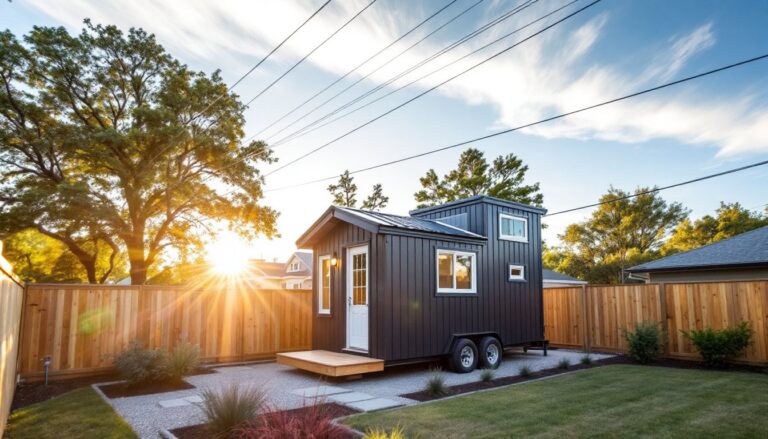
Minimalist sheds emphasize clean lines, simple forms, and restrained material palettes. These designs favor geometric shapes, cubes, rectangles, and gable roofs with minimal overhang, and avoid ornamental details.
Materials that define minimalist aesthetics include fiber cement panels, metal siding (standing seam or corrugated), and smooth-finish plywood like T1-11 or marine-grade options. Black, white, gray, and natural wood tones dominate color schemes, often used in monochrome or subtle two-tone combinations.
Large windows and glass doors maximize natural light while maintaining the streamlined look. Consider installing a single oversized window or a full-height glass panel on one wall, which also visually expands the interior. Frameless or minimal-trim windows enhance the modern feel.
For roofing, flat or low-slope options suit minimalist designs best, though they require careful attention to drainage and waterproofing. EPDM rubber membranes or TPO roofing work well for flat roofs and typically cost $4–7 per square foot installed. If choosing a pitched roof, keep the angle subtle, 4/12 to 6/12 pitch, and use metal panels for a contemporary finish.
Foundations matter for longevity and performance. Poured concrete slabs provide the most stable base, especially for insulated, climate-controlled sheds. Concrete pier foundations with pressure-treated skids work for lighter structures and improve drainage underneath. Always use gravel or crushed stone base (4–6 inches compacted) beneath any foundation type to prevent settling and moisture issues.
Many homeowners pair minimalist sheds with outdoor entertaining spaces to create cohesive backyard zones that balance function and aesthetics.
Multi-Functional Shed Concepts for Modern Living
Modern sheds excel when designed for specific activities rather than generic storage. Defining the primary use upfront shapes every decision, from electrical requirements to insulation type.
Home Office and Studio Sheds
A backyard office or studio shed needs reliable power, climate control, and good lighting. Plan for at least one 20-amp circuit for general outlets and lighting, plus a dedicated circuit if running space heaters, window AC units, or high-draw equipment. Running electrical from the main panel requires a licensed electrician and permit in most jurisdictions. Conduit burial depth typically must be 18 inches minimum for residential feeders.
Insulation is non-negotiable for year-round comfort. Use R-13 to R-15 fiberglass batts in walls and R-30 to R-38 in the ceiling. Spray foam insulation offers better air sealing but costs more, expect $1.50–3.00 per square foot for closed-cell foam. Don’t forget a vapor barrier on the warm side of the insulation to prevent condensation issues.
Windows should be operable for ventilation, and consider adding a mini-split HVAC system (around $1,500–3,000 installed for a single-zone unit) for efficient heating and cooling. Ductless systems avoid the complexity of running ductwork and perform well in small spaces.
Flooring choices include luxury vinyl plank (LVP), which handles temperature swings better than laminate, or sealed concrete for an industrial look. If installing over a wood subfloor, use 3/4-inch tongue-and-groove plywood or OSB rated for floor use, spaced 16 inches on center over floor joists.
Professionals who work with detailed construction techniques emphasize proper flashing and weatherproofing around windows and doors to prevent leaks that can ruin finished interiors.
Entertainment and Guest House Sheds
Entertainment sheds and guest houses push the envelope further, often including plumbing for wet bars or bathrooms. Adding water and sewer lines requires permits, professional installation, and compliance with local plumbing codes. Frost depth, drain slopes, and venting all factor into the design.
For a guest shed, plan sleeping space, a small seating area, and ideally a bathroom or at least access to nearby facilities. Ceiling height matters for livability, aim for 8 feet minimum to avoid a cramped feel. Shed kits often come with 7-foot walls, which feel low once ceiling finishes are added.
Electrical needs increase with entertainment use. Include outlets for charging devices, WiFi extenders or mesh network nodes, and ambient lighting. LED strip lights or recessed cans work well for modern aesthetics and energy efficiency.
Many backyard entertaining strategies incorporate flexible shed designs that can host game nights, movie screenings, or casual gatherings, especially when outfitted with entertaining tools like beverage coolers and modular seating.
Sound insulation becomes relevant if using the shed for music, podcasts, or late-night gatherings. Add acoustic batts (fiberglass designed to dampen sound) in walls and ceilings, and use solid-core doors instead of hollow ones.
Material and Color Choices for Contemporary Appeal
Material selection drives the modern shed’s visual impact and long-term maintenance burden. Fiber cement siding (like HardiePlank) offers durability, fire resistance, and a smooth finish that holds paint well. Expect to repaint every 10–15 years depending on climate and sun exposure.
Metal siding, whether corrugated, standing seam, or flat panels, delivers an industrial-modern look with minimal upkeep. Galvalume and pre-painted steel resist rust and fading. Standing seam panels cost more ($8–12 per square foot installed) but provide superior weather protection and clean vertical lines.
Wood siding (cedar, pine, or engineered options) works if you’re willing to maintain it. Plan on applying stain or sealant every 2–4 years to prevent rot and UV damage. Thermally modified wood like Accoya offers better dimensional stability and rot resistance but at a premium price.
Color trends in 2026 lean toward earthy neutrals, charcoal, warm grays, sage green, and natural wood tones, often accented with black trim and hardware. Monochrome schemes (all black, all white) make bold statements, while two-tone combinations (dark body with light trim or vice versa) add subtle contrast.
Roofing materials contribute to the overall aesthetic. Metal roofing in black or dark bronze complements most modern designs and lasts 40–70 years. Asphalt shingles work but feel less contemporary unless using architectural styles in solid colors.
Trim and fascia details should stay minimal. Use simple 1×4 or 1×6 boards for corner trim rather than ornate moldings, and consider eliminating soffit and fascia entirely for a streamlined edge where the roof meets the wall.
Builders sharing plans on platforms like Ana White often highlight material substitutions that maintain modern aesthetics while fitting tighter budgets, such as using plywood with battens instead of board-and-batten siding.
Smart Features and Sustainable Upgrades
Integrating smart technology and sustainable features elevates a modern shed from static structure to responsive, efficient space. Many upgrades are DIY-friendly, while others benefit from professional installation.
Smart lighting controlled via app or voice commands costs little to add. Use smart bulbs in standard fixtures or hardwire smart switches (like those from Lutron or Leviton) for permanent control. Motion sensors reduce energy use and add convenience when entering the shed with full hands.
Smart locks improve security, especially for sheds storing valuable tools or serving as workspaces. Keypad or fingerprint locks eliminate the need for physical keys and allow temporary access codes for contractors or guests. Battery-powered models install easily on standard pre-drilled doors.
Solar panels can offset or eliminate electrical costs, particularly for sheds used primarily during daylight hours. A small 200–400 watt system with battery storage runs lights, fans, and device charging. Larger grid-tied systems require professional installation and permitting. Roof orientation and shading significantly impact solar viability, south-facing roofs with minimal tree cover perform best.
Rainwater collection off the shed roof supports garden irrigation and reduces municipal water use. A 200-square-foot roof can collect roughly 125 gallons per inch of rainfall. Install gutters, downspouts, and a rain barrel or cistern to capture runoff. Use first-flush diverters to keep debris and contaminants out of stored water.
Green roofs (living roofs with vegetation) provide insulation, manage stormwater, and create visual interest, though they add structural load and complexity. Verify that framing can handle the additional weight, typically 10–25 pounds per square foot when saturated.
Insulation upgrades beyond code minimum improve comfort and reduce HVAC costs. Consider rigid foam panels on the exterior for continuous insulation that eliminates thermal bridging through studs. Pair with air sealing using caulk and weatherstripping around all penetrations.
For those exploring advanced methods, resources like Fix This Build That provide detailed tutorials on integrating smart systems into DIY projects, from wiring basics to automation setups.
Safety note: Any electrical work, especially running new circuits or installing panels, requires adherence to NEC (National Electrical Code) standards and local permits. Hire a licensed electrician for anything beyond simple fixture replacement. Wear safety glasses, gloves, and dust masks when cutting or handling insulation materials.