Table of Contents
ToggleHosting an outdoor gathering doesn’t require a massive budget or a landscape designer, just smart planning and a few well-executed touches. Whether it’s a casual weekend cookout or a milestone celebration, a well-thought-out backyard party can feel more memorable than any restaurant reservation. The key is balancing atmosphere, food, and entertainment while keeping logistics simple enough that the host actually enjoys the event. With the right mix of DIY touches and practical setup, any backyard can become the go-to venue for friends and family.
Key Takeaways
- Transform your backyard party ideas by creating distinct zones—dining, lounge, and activity areas—to guide furniture placement and guest flow naturally.
- A strong theme like a Taco Fiesta or Garden-to-Table Dinner simplifies planning decisions and gives guests a clear vibe without requiring expensive props or costumes.
- Strategic food station setup with chafing dishes, beverage dispensers, and separate grilling zones keeps service efficient and kitchen trips minimal.
- Layer your outdoor entertainment with a mix of passive and active options—lawn games, music, fire pits, and DIY photo stations—so guests choose their own engagement level.
- Transform your backyard at night using Edison string lights, pathway solar stakes, and warm white uplighting to extend the party and set an intimate ambiance.
- Handle comfort details like extra seating, insect control, shade solutions, and a weather backup plan so you can actually enjoy the event with your guests.
Setting the Scene: Transform Your Backyard into a Party Paradise
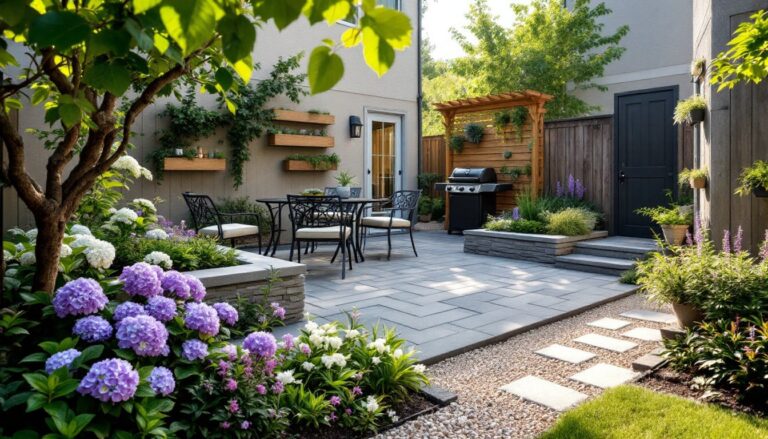
Start with the footprint. Walk the yard and identify natural zones: a dining area near the house, a lounge space under a tree, and an open area for lawn games or dancing. Use these zones to guide furniture placement and traffic flow.
Define spaces with rugs and planters. Outdoor rugs (polypropylene or recycled plastic weave) anchor seating areas and make grass or concrete feel intentional. Add large planters with ornamental grasses or shrubs to create visual barriers without blocking sightlines.
If the yard lacks shade, consider a pop-up canopy (10′ x 10′ is standard), a sail shade tensioned between posts, or a market umbrella with a weighted base. For a semi-permanent option, install a pergola with 2×6 or 2×8 rafters, stain or paint it to match the home’s trim. Drape the top with outdoor fabric or string cafe lights for a softer look.
Pressure-wash patios and decks a day or two before the party. Rent a gas-powered unit (2,500–3,000 PSI) if you don’t own one. Use a fan tip to avoid etching concrete or splintering wood.
Consider backyard entertaining strategies that incorporate flexible seating and movable surfaces, collapsible tables and folding chairs store easily and adapt to headcount changes.
Theme Party Concepts That Wow Your Guests
A strong theme simplifies decisions and gives guests a clear vibe. Skip anything that requires elaborate costumes or props that’ll end up in a landfill.
Taco Bar Fiesta: Set up a DIY taco station with seasoned proteins (carnitas, grilled chicken, black beans), fresh toppings in small bowls, and a variety of salsas. Use terra cotta or brightly colored melamine dishes. Add a margarita or agua fresca station with glass dispensers.
Garden-to-Table Dinner: If the yard has raised beds or container gardens, harvest fresh herbs, tomatoes, or greens and feature them in the menu. Use wooden boards as serving platters and label dishes with chalkboard tags. String Edison bulbs overhead for a farmhouse feel.
Movie Night Under the Stars: Hang a white bed sheet (queen or king size) between two trees or frame it on a DIY stand using 1×2 furring strips and a tripod base. Use a portable projector (look for at least 3,000 lumens for outdoor visibility). Lay out blankets, provide popcorn in paper bags, and set up lawn chairs in rows.
Backyard BBQ Championship: Turn grilling into a low-key competition. Ask guests to bring a signature side dish, then vote on categories. Provide smoked meats from a pellet grill or offset smoker. Use butcher paper as table runners and metal pails for utensils.
Themes work best when they’re tied to outdoor party best practices that prioritize guest comfort and interactive elements over pure decoration.
Outdoor Dining and Food Station Ideas
Food logistics can make or break an outdoor event. Plan for shade, ice, and insect control around any food station.
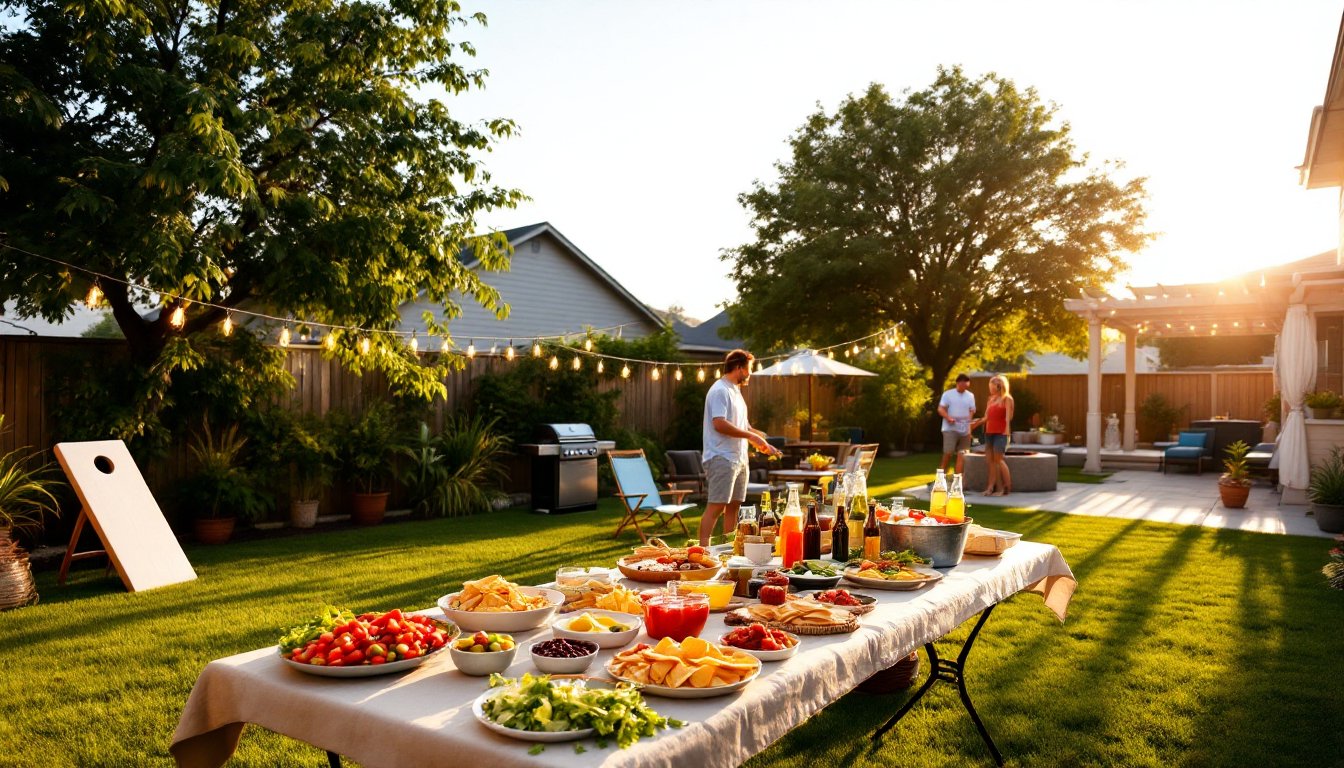
Buffet Setup: Use a 6′ or 8′ folding table with a vinyl or fabric tablecloth weighted at the corners with clips or small clamps. Elevate dishes with overturned crates or tiered risers to add dimension. Keep hot foods in chafing dishes with sterno cans: cold items in aluminum pans set over ice-filled bus tubs.
Beverage Stations: Stock a galvanized tub or cooler with ice and bottled drinks. For bulk service, use 5-gallon beverage dispensers with spigots. Freeze fruit slices or herbs into ice cubes for visual appeal. Position the station away from the main dining area to avoid bottlenecks.
Grilling Zone: Set up the grill (gas, charcoal, or pellet) at least 10 feet from structures and seating. Keep a fire extinguisher nearby and ensure the area is level. Use a stainless-steel prep table or folding camp table for staging. Invest in a two-zone fire setup, direct heat for searing, indirect for finishing.
Dessert Bar: Offer grab-and-go options like mason jar parfaits, cookies on tiered stands, or a s’mores station with a tabletop fire pit. Use mesh food tents to keep insects off sweets.
For gatherings with diverse menus, applying proven entertaining techniques ensures smoother service and fewer trips back to the kitchen. Keep serving utensils and napkins at every station to reduce cross-traffic.
Entertainment and Activities to Keep Everyone Engaged
Plan for a mix of passive and active options so guests can choose their own engagement level.
Lawn Games: Cornhole boards (regulation size: 2′ x 4′ with 6″ hole), ladder toss, giant Jenga (build it from 2x4s cut to 10.5″ lengths), or bocce ball. Set games up in a designated zone away from dining tables.
Music: Use a Bluetooth speaker with at least 20W output for outdoor coverage. Create a playlist in advance with a mix of tempos, upbeat for arrival and mingling, mellow for dinner. Mount the speaker on a small tripod stand or shelf to project sound at ear level.
Fire Pit Gathering: A fire pit (wood-burning, propane, or gel fuel) extends the party after sunset. Arrange Adirondack chairs or metal stools in a semi-circle. Stock firewood in a log rack and keep a bucket of sand or water nearby. Check local fire ordinances, some municipalities restrict open flames during dry seasons.
DIY Photo Station: Hang a fabric backdrop (canvas drop cloth works) on a simple frame made from PVC pipe or use a fence or hedge as a natural backdrop. Provide props in a basket and set up a tripod with a smartphone mount and remote shutter.
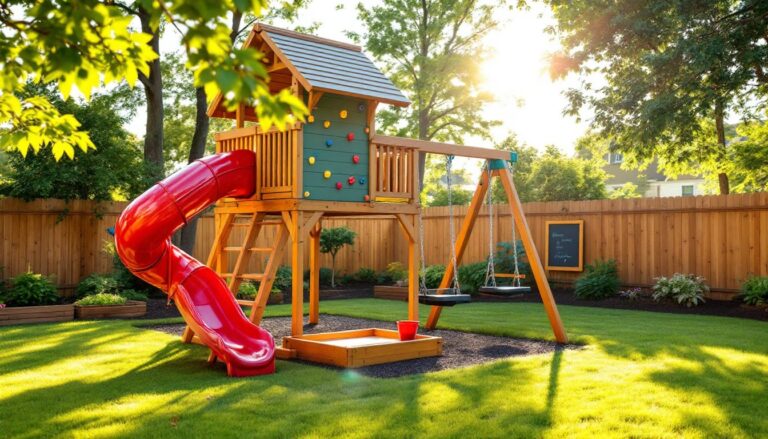
Kids’ Zone: If children are attending, set up a separate activity area with sidewalk chalk, a water table, or a small tent with books and toys. Keep it visible from the main party area.
Many of these activities align with ideas found on home entertaining platforms that emphasize easy-to-execute, crowd-pleasing setups.
Lighting and Ambiance for Day-to-Night Celebrations
Lighting does more than illuminate, it sets the mood and extends usable hours.
String Lights: Edison bulb strands (E26 socket, 25–48 feet) are the most versatile. Hang them overhead using screw-in hooks on fascia boards, fence posts, or trees. Use guide wire (galvanized steel, 1/8″ diameter) for longer spans to prevent sagging. Space bulbs 12–18 inches apart for even coverage.
Pathway Lighting: Solar stake lights line walkways and stairs. For brighter output, use low-voltage LED path lights wired to a transformer (12V system). Bury the cable 6″ deep in conduit if running across lawn areas.
Accent and Task Lighting: Use battery-operated LED candles in lanterns for tables (no fire hazard, and they last 100+ hours). For food stations, clip-on LED work lights or rechargeable puck lights provide functional brightness.
Uplighting: Position small LED spotlights at the base of trees, fences, or architectural features. Use warm white (2700–3000K) for a welcoming glow. Many models are solar or battery-powered for easy placement.
Festoon or Globe Lights: Larger bulbs (G40 or G50 size) create a party vibe. Available in plug-in or solar versions. Look for shatterproof plastic bulbs if the setup is near high-traffic areas.
Master lighting techniques often shared in outdoor entertaining guides to transition smoothly from daylight to evening without awkward dark gaps. Use timers or smart plugs to automate lighting at dusk.
Practical Tips for Comfort and Convenience
The small details keep guests comfortable and reduce host stress.
Seating: Plan for one seat per guest, plus 10–15% extra. Mix benches, folding chairs, and outdoor cushions. If using metal or plastic chairs, add seat cushions (foam or polyester fill with water-resistant covers).
Shade and Cooling: In hot climates, provide handheld fans, misting bottles, or a misting system attached to a pergola or umbrella. For evening events, have blankets or pashminas in a basket for when temps drop.
Insect Control: Use citronella candles, tiki torches with citronella fuel, or a tabletop bug zapper. For serious mosquito pressure, consider a propane-powered mosquito trap placed upwind of the party area. Avoid pesticide foggers on event day.
Restroom Access: If using an indoor bathroom, set out hand towels, extra toilet paper, and a small trash can. For larger events or remote yard areas, rent a portable restroom unit.
Trash and Recycling: Set up clearly labeled bins with liners. Use a 32-gallon Rubbermaid-style bin for trash and a separate one for recyclables. Place them near food stations and the exit.
Weather Backup Plan: Check the forecast 48 hours out. Have a pop-up tent or tarp ready for sudden rain. Anchor any canopy with weight bags (sandbags, or fill 5-gallon buckets with concrete) rather than stakes if the yard has irrigation lines.
Incorporating advice from classic outdoor living resources on comfort and hospitality ensures guests feel welcomed and cared for without constant host intervention. Prep as much as possible the day before to stay present during the event.
Conclusion
Hosting a backyard party doesn’t require a design degree or a contractor’s budget, just thoughtful planning and a few solid DIY strategies. Focus on creating comfortable zones, keeping food and drinks accessible, and layering in lighting and activities that match the crowd. When the logistics are handled, the host can relax, and that energy makes the whole event better. Build on what works, refine what doesn’t, and every gathering gets easier.