Table of Contents
ToggleSmall backyards don’t limit what you can do, they just demand smarter decisions. Whether dealing with a 200-square-foot patio or a narrow strip of turf, the right layout, materials, and DIY moves can turn cramped quarters into a functional, inviting retreat. This guide walks through proven strategies homeowners are using in 2026 to maximize space, add visual depth, and create outdoor areas that work as hard as they look good. No fluff, no mood boards, just practical plans that fit tight budgets and tighter footprints.
Key Takeaways
- Small backyard ideas thrive when you build vertically with living walls and modular planters instead of expanding horizontally, saving ground space while adding visual depth.
- Define distinct zones using different surface materials, low planters, and open frameworks rather than tall fences to make your yard feel larger without blocking light or sightlines.
- Multi-functional furniture like storage benches, drop-leaf tables, and modular seating maximize usability in compact areas and free up precious floor space.
- Layer task, accent, and ambient lighting with low-voltage LEDs and string lights to double your yard’s usable hours and create a larger feel after dark.
- Strategic color choices—light tones for boundaries and bold accents for focal points—combined with varied textures and diagonal hardscaping patterns enhance perceived depth in small spaces.
- DIY projects like pallet furniture, paver patios, and raised beds deliver high-impact upgrades at budget-friendly costs while keeping your small backyard functional and inviting year-round.
Maximize Space with Vertical Gardens and Living Walls
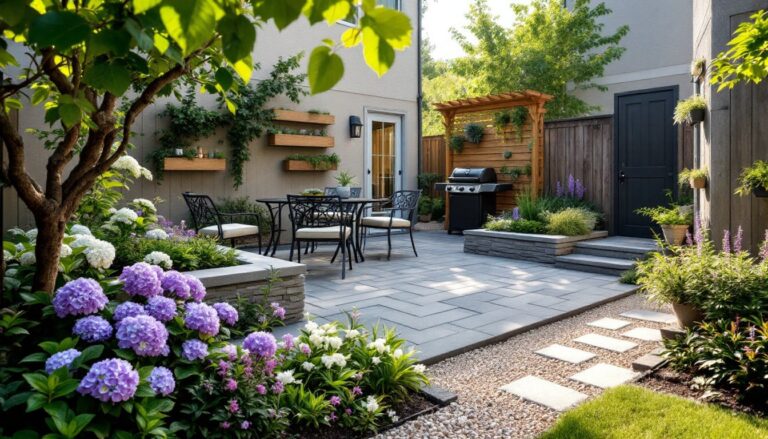
When ground space runs out, build up. Vertical gardens and living walls pull double duty: they green up the yard without eating into usable square footage, and they visually expand boundaries by drawing the eye upward.
Modular wall planters made from UV-resistant polypropylene or cedar slats mount directly to fences or exterior walls. Look for systems with built-in drip irrigation channels, hand-watering six feet up gets old fast. Brands like Florafelt and Woolly Pocket offer pocket-style felt systems that hold moisture well for herbs, succulents, and small perennials.
For a DIY approach, build a trellis grid from 1×2 cedar or pressure-treated pine, spaced 6 inches on center, and anchor it to fence posts with 3-inch exterior screws. Train climbing plants like clematis, passion vine, or edible peas up the framework. Install the trellis at least 2 inches off the fence surface to allow airflow and prevent rot.
Safety note: When mounting to masonry or stucco, use masonry anchors rated for outdoor loads (minimum 50 lbs per anchor for heavy plantings). Wear safety glasses when drilling overhead.
Vertical gardens also improve privacy and dampen street noise, a real bonus in tight urban lots. Just remember that wall-mounted systems add weight: confirm your fence structure can handle the load, especially after watering. If the fence sways when pushed, add diagonal 2×4 kicker braces from posts to rails before hanging anything heavy.
Create Defined Zones for Dining and Relaxation
Breaking a small yard into distinct zones tricks the brain into reading the space as larger. Instead of one ambiguous patch of grass, carve out a dining area, a lounge corner, and maybe a narrow planting bed, even if each zone is only 4×6 feet.
Use changes in surface material to mark boundaries. A 6×8-foot section of paver stone or gravel defines a dining spot, while the rest stays turf or decomposed granite. Outdoor rugs (polypropylene, rated for UV and mold resistance) anchor seating areas and add color without permanent construction. Stake them down with landscape staples so they don’t creep in wind.
Low planters or raised beds (8–12 inches high) double as visual dividers. Build them from 2×8 or 2×10 cedar boards on edge, joined at corners with galvanized Simpson Strong-Tie brackets. Fill with a mix of perennials and ornamental grasses that won’t block sightlines, think dwarf fountain grass or lavender, not tall hedges.
Avoid tall fences or solid screens between zones: they chop up the view and make spaces feel even tighter. Instead, use open frameworks, a simple pergola over the dining table, or a row of vertical slat screens (1×4 boards spaced 2 inches apart) to hint at separation without blocking light.
If the yard slopes, a single-step timber or stone riser can mark a grade change and create two levels. That 6-inch height difference is enough to define zones while keeping the space accessible. Always check local codes before building any structure over 30 inches high: some jurisdictions require permits for decks or platforms above that threshold.
Choose Multi-Functional Furniture for Compact Areas
In a small yard, every piece of furniture should earn its keep. Multi-functional designs cut clutter and free up precious floor space.
Storage benches with lift-up seats stash cushions, garden tools, or outdoor toys while providing seating. Look for resin or powder-coated steel frames, they hold up better than wood in weather and won’t warp or rot. Make sure hinges are stainless steel and that the lid includes gas struts or a slow-close mechanism to avoid pinched fingers.
Folding bistro sets (two chairs and a 24-inch round table) collapse flat and hang on a fence hook when not in use. Aluminum frames with Textilene mesh seats dry fast and resist UV fade. For a DIY version, build a drop-leaf wall table: hinge a 36×18-inch sheet of exterior-grade plywood to a cleat mounted on the fence, and add a folding leg bracket underneath. When the meal’s done, it folds flush against the wall.
Modular seating made from composite decking or treated 2×4 frames can reconfigure for different gatherings. Build simple box frames, add outdoor foam cushions wrapped in Sunbrella fabric, and stack or rearrange as needed. This approach works especially well for hosting memorable outdoor gatherings where seating needs shift between cocktails and dinner.
Fire pit tables combine warmth, light, and a drink ledge in one unit. Propane models with CSA or UL certification are safer and easier to control than wood-burning pits in tight quarters. Keep a 5-pound ABC fire extinguisher nearby any open flame, and maintain a 10-foot clearance from structures, check local fire codes before installing.
Add Lighting to Expand Usability and Ambiance
Proper lighting doubles the hours a small yard stays useful and visually expands space after dark. Layer task, accent, and ambient lighting for a balanced effect.
Low-voltage LED path lights (12V systems) mark walkways and borders without glare. Run 14-gauge landscape wire from a transformer to each fixture: bury the cable 6 inches deep or secure it along fence lines with insulated staples. A 200-watt transformer handles up to fifteen 7-watt LED fixtures. Always use a GFCI-protected outlet for the transformer.
String lights (also called cafe lights or bistro lights) soften hard edges and add a welcoming glow. Suspend 14-gauge outdoor-rated strands with S14 or Edison-style bulbs across the yard using screw eyes anchored into fence posts or a freestanding post set in concrete. Space supports no more than 15 feet apart to prevent sagging. Choose LED bulbs rated for wet locations: they draw less power and last 25,000+ hours.
Uplighting plants or architectural features creates drama and depth. Place directional LED spotlights (3–5 watts each) at the base of a tree or tall grass clump, aimed upward at a 30-degree angle. This technique draws attention away from boundaries and makes the yard feel larger, as noted in design strategies for small spaces.
Solar-powered lights work for accents but often lack the brightness needed for task areas. If going solar, choose units with monocrystalline panels and lithium-ion batteries, they charge faster and hold power longer than older nickel-cadmium models.
Safety reminder: Wear rubber-soled boots and insulated gloves when working with electrical wiring, even low-voltage systems. Turn off power at the breaker before making connections.
Incorporate Budget-Friendly DIY Projects
Small yards lend themselves to weekend DIY projects that deliver big impact without contractor costs. Focus on high-visibility upgrades that improve function and curb appeal.
Pallet furniture tops the list for affordability. Disassemble heat-treated pallets (stamped HT, not chemically treated MB), sand the boards with 80-grit then 120-grit sandpaper, and reassemble into benches, planters, or coffee tables using 3-inch deck screws. Seal with exterior polyurethane or deck stain for weather resistance. Always wear a dust mask when sanding reclaimed wood.
Concrete pavers laid in sand make a simple, durable patio. Excavate 4 inches deep, lay landscape fabric, add 2 inches of crushed stone base, then 1 inch of leveling sand. Tamp each layer with a hand tamper or plate compactor (rent for about $60/day). Set pavers in a running bond or herringbone pattern, sweep polymeric sand into joints, and mist with water to lock everything in place. A 6×8-foot paver patio runs roughly $150–$250 in materials, depending on region and paver style.
Raised garden beds built from untreated cedar 2×6 boards elevate planting areas and define space. Cut four boards to length (a 4×4-foot bed is manageable), join corners with galvanized corner brackets, and line the inside with landscape fabric before filling with soil. Cedar resists rot naturally and requires no chemical treatment. For vegetable beds, fill with a 50/50 mix of compost and topsoil.
Many homeowners expanding their outdoor setup also invest in essential entertaining tools to make gatherings smoother. A simple DIY bar cart built from 3/4-inch plywood and 2×2 pine legs with locking casters adds mobility and storage for under $75.
Always use PPE: Safety glasses for cutting and drilling, gloves for handling lumber and concrete, and a dust mask for sanding or mixing dry materials.
Use Color and Texture to Enhance Depth and Interest
Strategic use of color and texture creates the illusion of depth and draws the eye through a small yard, making it feel more spacious.
Light colors recede: dark colors advance. Paint fences or walls in soft grays, whites, or pale blues to push boundaries back visually. Accent a focal point, a potting bench, a single wall, or a planter, in a bold color like charcoal, terracotta, or deep green to create a sense of layering. Use exterior acrylic latex paint rated for wood or masonry: coverage runs about 350–400 square feet per gallon on smooth surfaces, less on rough textures.
Texture variation adds interest without clutter. Combine smooth pavers with rough stacked stone, or pair fine ornamental grasses with broad-leafed hostas. The contrast keeps the space visually dynamic. In planting beds, layer plants by height: low groundcovers in front, mid-height perennials in the middle, taller shrubs or grasses at the back. This graduated approach mimics natural landscapes and suggests greater depth, a principle often highlighted in guides from Southern Living.
Patterned hardscaping also influences perception. Laying pavers or decking boards perpendicular to the longest sightline makes a narrow yard feel wider. Conversely, running boards parallel to the view extends apparent length. A simple diagonal pattern does both, pulling the eye across and through the space.
Planters in varying heights (12-inch, 18-inch, and 24-inch pots) create vertical rhythm. Use lightweight resin or fiberglass planters for easy rearranging: they mimic ceramic or concrete at a fraction of the weight. Cluster pots in odd-number groups (three or five) for a more natural look.
For those planning to entertain regularly, understanding effective hosting strategies helps tie color and layout decisions to real-world use, dining areas might call for warm, inviting tones, while lounge zones benefit from cooler, calming palettes.
Conclusion
Transforming a small backyard comes down to deliberate choices: building up instead of out, defining zones without blocking sightlines, and selecting materials that pull double duty. Each project, vertical planters, modular seating, layered lighting, stacks practical function with visual impact. Measure twice, prep surfaces thoroughly, and don’t skip the safety gear. With the right approach, even a 150-square-foot patch becomes a year-round asset.