
Table of Contents
ToggleBackyard entertaining strategies can transform any outdoor space into the perfect setting for memorable gatherings. Whether hosting a casual barbecue or an elegant dinner party, the right approach makes all the difference. A well-planned backyard event keeps guests comfortable, well-fed, and engaged throughout the evening. This guide covers the essential elements, from space design to lighting, that turn ordinary get-togethers into occasions people talk about for weeks.
Key Takeaways
- Effective backyard entertaining strategies start with creating distinct zones for cooking, dining, and conversation to prevent bottlenecks and keep guests comfortable.
- Provide varied seating options arranged in small groups of three to five chairs to encourage natural conversation and mingling.
- Position drink stations away from food areas to distribute traffic flow and prevent guests from blocking access during self-serve moments.
- Layer multiple light sources—string lights, task lighting, and accent lighting—to create warmth and ensure safety once the sun sets.
- Keep décor simple and cohesive, matching the level of formality to your event type for an intentional yet effortless atmosphere.
- Plan for flexibility by using modular furniture and having 10-15% more seats than guests to accommodate different group sizes.
Designing Functional Outdoor Spaces
Great backyard entertaining strategies start with smart space design. The layout determines how guests move, interact, and enjoy themselves throughout an event.
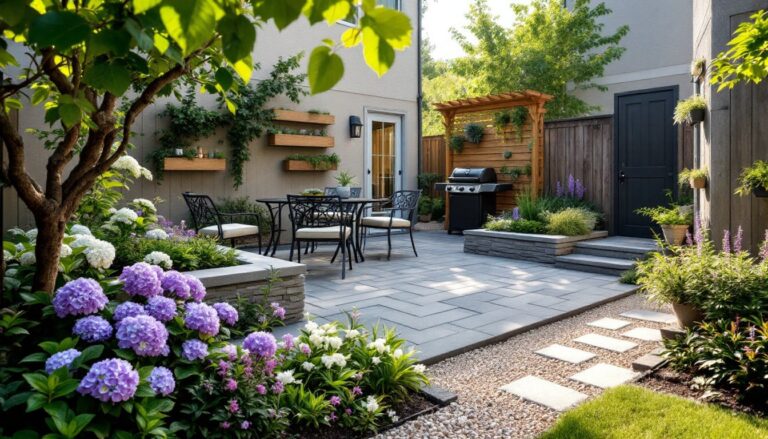
First, identify distinct zones within the yard. A cooking area near the house provides easy kitchen access. A dining zone works best on flat, stable ground. A conversation area can occupy a shaded corner or gather around a fire pit. Separating these zones prevents bottlenecks and gives guests options.
Traffic flow matters more than most hosts realize. Guests should move easily between food, drinks, seating, and restrooms without crossing through cooking areas or interrupting conversations. A clear path width of at least four feet prevents congestion during peak moments.
Consider the yard’s natural features when planning. Large trees offer shade and visual interest. Sloped areas might work for tiered seating. Existing landscaping can frame entertaining spaces or provide natural privacy screens from neighbors.
Weather protection deserves attention too. Pergolas, shade sails, and large umbrellas extend usable hours and keep guests comfortable during afternoon events. For evening gatherings, these structures also provide mounting points for lights and decorations.
The best backyard entertaining strategies account for different group sizes. Modular furniture and flexible spaces allow hosts to scale up or down depending on the guest count. A space that works for eight people should also function for twenty with minor adjustments.
Creating Comfortable Seating Arrangements
Seating can make or break outdoor gatherings. Guests who stand too long grow tired and leave early. Uncomfortable chairs lead to the same result.
Backyard entertaining strategies should include varied seating options. Mix dining chairs with lounge seating. Add benches, poufs, or even clean blankets on the lawn for casual events. This variety accommodates different preferences and encourages mingling.
Arrange seats to promote conversation. Small groupings of three to five chairs work better than long rows. Angle seats slightly toward each other rather than placing them in rigid formations. This subtle adjustment makes talking easier and feels more natural.
Comfort extends beyond the chairs themselves. Outdoor cushions add softness and color. Throw pillows create a welcoming appearance. For evening events, blankets let guests stay warm as temperatures drop.
Spacing between seating groups requires balance. Too close feels crowded. Too far apart isolates guests and kills conversation. Aim for about eight to ten feet between distinct seating clusters, close enough to feel connected, far enough for separate conversations.
Don’t forget practical considerations. Seating near food stations should include small tables or surfaces for plates and drinks. Adequate seats for all guests prevents awkward standing-while-others-sit situations. For longer events, having 10-15% more seats than guests ensures everyone finds a spot.
Planning Food and Beverage Stations
Strategic food and beverage placement ranks among the most important backyard entertaining strategies. Poor station design creates lines, spills, and frustrated guests.
Position drink stations away from food to distribute traffic. A dedicated beverage area prevents guests from blocking food access while they mix cocktails or pour wine. Self-serve setups work well, stock coolers with ice, provide clear labeling, and include all necessary supplies within arm’s reach.
Food stations benefit from a logical flow. Plates go first, followed by main dishes, sides, and utensils at the end. This sequence prevents guests from juggling forks while serving themselves salad. For buffet-style events, access from both sides of the table cuts wait times in half.
Outdoor food safety requires attention. Keep hot foods hot and cold foods cold. Shade stations from direct sunlight. Replace dishes rather than refilling them to maintain food quality and presentation. Ice baths work well for keeping salads, dips, and desserts at safe temperatures.
Backyard entertaining strategies should include backup supplies. Extra ice, additional napkins, and spare serving utensils prevent mid-party scrambles. Position a small table nearby with these items for quick restocking.
Consider dietary restrictions when planning stations. Clearly label dishes with common allergens. Separate vegetarian and vegan options make guests with dietary needs feel welcomed rather than like afterthoughts.
Setting the Right Ambiance With Lighting and Décor
Lighting transforms backyard spaces once the sun sets. Effective backyard entertaining strategies layer multiple light sources for depth and warmth.
String lights create instant atmosphere. Hang them overhead between trees, poles, or the house to define the entertaining area. LED versions use less energy and generate less heat than traditional bulbs. Warm white tones (2700K-3000K) produce the most flattering glow.
Task lighting serves practical purposes. Illuminate food stations so guests can see what they’re eating. Light pathways to prevent trips and falls. The grill area needs enough visibility for safe cooking.
Accent lighting adds drama. Uplights on trees create visual interest. Lanterns on tables provide intimate illumination. Candles, real or flameless, add flicker and movement that overhead lights cannot match.
Décor should complement rather than overwhelm the space. A cohesive color palette ties elements together without requiring elaborate decorations. Fresh flowers, potted plants, or cut greenery add life at minimal cost. Table runners, coordinated napkins, and simple centerpieces elevate casual setups.
Seasonal touches make events feel intentional. Summer gatherings might feature bright colors and tropical accents. Fall parties benefit from warm tones, pumpkins, and harvest themes. These details show thoughtfulness without demanding excessive effort.
Backyard entertaining strategies work best when décor matches the event’s formality. Casual barbecues need little beyond basic comfort items. Milestone celebrations warrant more elaborate touches.